Swim Don’t Sink: Why Training Matters to a SRE / DevOps Practice

summary
Argues that systematic training yields measurable gains: Google’s model supports thousands of SREs organized outside product teams, uses the ADDIE design cycle and SRE reliability practices, and replaces lecture-heavy onboarding with hands-on safe-system exercises tracked by attendance, surveys and postmortems. Training focuses on observable behaviors (drain traffic, interpret SLO graphs), prioritizes onboarding when growth is rapid, and balances effort vs benefit so programs reduce impostor syndrome, improve confidence, and demonstrably raise learner satisfaction.
AI-written summary · about
chapters (17)
- 0:00SRE and training importance
- 1:47Why training matters
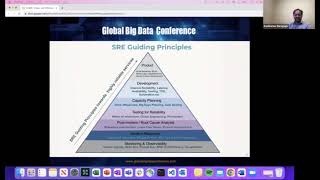
- 2:51Core SRE principles
- 4:16Training myths and learning
- 5:39Training options overview
- 7:03Training content dimensions
- 8:07Training low-maturity teams
- 9:54Tailoring training profiles
- 10:37Training high-maturity teams
- 12:43Training program design
- 13:24Operational training dimensions
- 15:08Starting training objectives
- 16:28SRE principles in training
- 17:53Balancing effort and results
- 18:35Google SRE onboarding
- 20:40Key takeaways
- 21:23Measuring training impact
related talks
 42mDemystifying SRE and DevOps
 35mDeploying SRE Training Best Practices to Production...
 41mAn Introduction to SRE at Google (with DevOps Focus)
 25mUnleashing the potential of SRE for modern operations
 05mHow do Devops and SRE relate?
- 42mDemystifying SRE and DevOps
 25mSRE Guiding Principles & Transformational Framework
 52mI’m SRE and You Can Too!—A Fine Manual...