Multi-CDN Jumpstart
summary
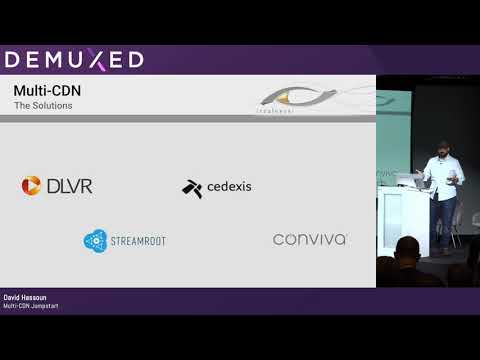
Claims a Multi‑CDN setup eliminates single points of failure and boosts global performance while noting measurable tradeoffs: choices between DNS load‑balancing or dynamic manifest/segment switching, client‑side approaches like a dynamic master manifest or proxy manifest, and using APIs for realtime routing. Practical gotchas include measurement location, DRM and ad insertion complications, the danger of token unification risk, and accidental POP overload during mass failover. Expect concrete examples of architectures and failure modes and which approaches actually work.
AI-written summary · about
chapters (9)
- 0:00Intro
- 0:30The problem
- 1:51Challenges
- 3:04Solutions
- 4:49Options
- 6:40Other Options
- 8:59Deeper Challenges
- 10:59Dynamic Master Manifest
- 14:19Summary
related talks
 23mContent delivery sucks, and what you can do about it
 27mCommons Host: Building a CDN with Node.js for the REST of the World
 16mCDN Challenges of HTTP-based Low Latency Live Streaming Delivery
 18mScaling APIs to Billions: Extreme-Scale Reliability
 30mKeeping the Balance: Internet-Scale Loadbalancing Demystified
 31mMulti-Cloud Strategy in Practice
 46mKeeping the Balance: Load Balancing Demystified
 10mAutomating content delivery in a DevOps world