Junior Academic Session II.

summary
Three short papers give concrete results: an enforcement review of deepfakes uses Facebook’s May 2019 Code-of-Practice reports and shows Facebook rewrites Code into community standards, automated filters miss or overblock political deepfakes and forensic detectors remain immature; a technical study runs static and dynamic analysis on top‑50 Android apps, finds SDKs inherit host app permissions, widespread use of Facebook login (~20%) and ad/analytics SDKs collecting resettable and persistent identifiers; a legal paper reads Article 22 as Article 22 as digital humanism, arguing GDPR protects human dignity, transparency and a human‑in‑the‑loop due process.
AI-written summary · about
chapters (9)
- 0:00Start
- 26:26Access to personal data
- 30:32Regulatory pressures
- 31:34Detection
- 35:10Taxonomy
- 36:15Research questions
- 36:27Privacy: Data collection
- 39:33Transparency: SDK providers
- 39:54Transparency: Platform
related talks
 01h 42mAcademic sessions (4)
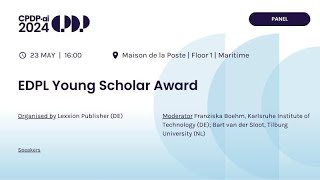 01h 11mEDPL Young Scholar Award
 01h 17mPrivacy and New Technologies
 52mCode and Law - A legal session on privacy, know-how and open source, Part I
 46mYou. And the morals of technology
 01h 11mCPDP ACADEMIC SESSION III
 01h 14mCPDP ACADEMIC SESSION II
 01h 15mAcademic Session I The GDPR within a continuously reforming digital environment