How to Protect Java Microservices and React.js Micro frontends
summary
Clear, actionable claims: mutual TLS and token scoping reduce lateral movement, a Node proxy layer plus interceptors and content-security-policy harden React microfrontends, and SCA plus VA scanning catch transitive dependency risks. Demos are described at the level of proxy layer with sanitizers and use practical controls like JWT validation, header/body checksum checks, and helmet. Mentions real-world tooling and workflows—certificate validation, role‑based scopes, Black Duck/Snyk style scans, and ML/LLM anomaly detectors—so expect concrete techniques and tradeoffs rather than theory.
AI-written summary · about
chapters (10)
- 0:00Introduction
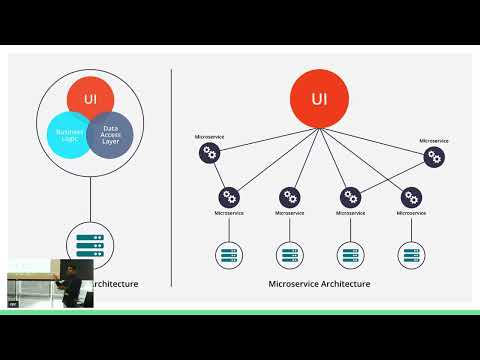
- 3:14Monolith vs microservices
- 7:02Microservice communication risks
- 10:14Zero trust for microservices
- 13:08Securing React micro frontends
- 16:40Third-party risk management
- 18:25Compliance requirements
- 20:10Access control & API gateways
- 22:24AI in microservices security
- 25:12AI threat detection
related talks
 57mHow Do I Secure My Micro-Services?
 44mMicro Frontends and Security
 53mSecurity And Microservices
 01h 02mPractical Microservice Security
 38mTop 10 Security Best Practices to secure your Microservices
 27mMastering Secure Single Page Apps & APIs
 30mTopics of Interest: Attacking the microservice systems: methods and practical tips
 56mSPArring with the Security of Single Page Applications