The Rubber Duck Talks Back!

summary
LLMs act as interactive architecture partners that take a project context (example: 100 TPS, four 9s, zero data loss, six‑person team) and produce concrete artifacts: Claude Sonet 35 or ChatGPT drafts mermaid diagrams, architecture choices (CloudFront S3, API Gateway, ECS Fargate, RDS, Redis), roleplay critiques, and starter infra code via CDK v2 TypeScript. The model speeds convergence to a POC, surfaces security and DR gaps, sometimes generates runnable scaffolding but does not guarantee production‑ready correctness.
AI-written summary · about
chapters (10)
- 0:00Introduction
- 1:11Rubber duck principle with AI
- 3:18AI architecture planning context
- 8:14Early feedback with AI
- 10:00Project classification templates
- 16:45Critique personas for design
- 21:00Generating code from plans
- 23:27Demo: AI architecture diagrams
- 26:58Summary
- 28:14Q&A: AI limitations
related talks
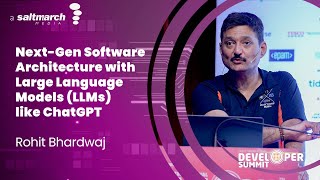 01h 00mNext-Gen Software Architecture with Large Language Models (LLMs) like ChatGPT
 01h 15m10x Development: LLMs For the working Programmer
 44mAI Architecture Thinking: From Idea to Impact
 01mTobias Goeschel at DDD Europe 2025
 14mTalking to/with Machines
 31mLamRAG: From Data to Constructive Insights using Amazon Bedrock
 40mDevops Goes Promptastic
 27mThe Lean LLM development playbook