The Dark Side of Malware Analysis
summary
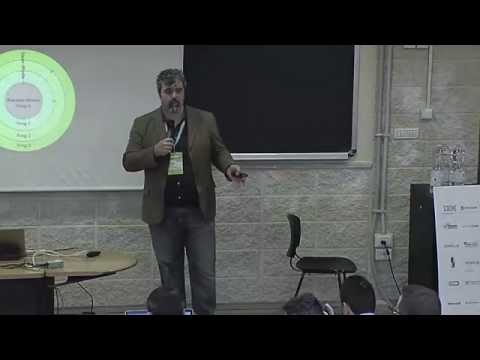
The talk explains why reverse-engineering Windows executables is crucial for analyzing increasingly targeted malware, and it covers practical approaches to malware analysis including tools, analytical techniques, and dealing with protection/obfuscation mechanisms. It uses several real-world case studies to demonstrate how to approach and solve malware analysis problems requiring intuition and creativity.
AI-written summary · about
chapters (22)
- 0:00Introduction
- 2:10Sony Pictures malware analysis
- 5:40Why analyze malware
- 8:31Reverse engineering
- 13:01Malware architecture
- 15:49Role of downloaders
- 20:03Malware modules
- 22:30Static malware analysis
- 25:42Static analysis tools
- 28:53Packing and analysis obstacles
- 32:26Java static analysis
- 36:19Dynamic malware analysis
- 37:20Debugging and reverse engineering
- 43:16Real-time activity monitoring
- 46:24Malware sandboxing
- 48:53Sandbox challenges
- 51:17Effectiveness of analysis
- 52:22Analysis time and complexity
- 55:17Tracing malware source
- 57:25Server emulation for analysis
- 59:31Internet connection risks
- 1:01:19Low-level and firmware attacks
related talks
 01h 05mThe Dark Side of Malware Analysis
 50mHow to Write Malware and Learn How to Fight It!
 01h 03mInvestigating Malware Using Memory Forensics - A Practical Approach
 33mBasic Malware Analysis for Incident Responders
 40mAnalyzing Windows Malware on Linux: Getting Started Tips and Examples
 50mShall We Talk About "Malware Craftsmanship"?
 45m"Advanced Malware Threat: handling obfuscated code using..."
 29mA Day in the Life of a Mobile Malware Reverse Engineer