Arcades and Audits: What Gaming Can Do for Your Security Posture
summary
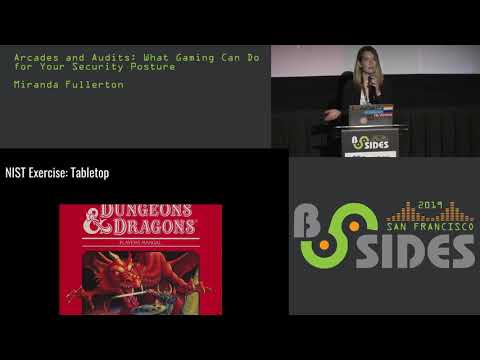
Gamifying business continuity and disaster recovery drills yields measurable gains: interactive arcade-style exercises reduce cognitive bias ~17% short-term and ~10% after months, per cited studies, and improve attention, memory, and decision-making. Practical demonstrations include RTO/RPO/TTR example (backups twice daily, RPO 24h, RTO 2h, TTR impact), using PagerDuty/VictorOps-style alerts and isolated functional environments versus tabletop role-play. Follow three rules: care about scenario fidelity, make it remote, and timebox sessions to a few hours with debrief and iterative fixes.
AI-written summary · about
chapters (11)
- 0:00Introduction and thanks
- 1:50Why drills matter
- 5:01Business continuity basics
- 6:28RTO RPO and TTR explained
- 9:20Prioritizing assets
- 10:28NIST exercise standards
- 12:37Functional vs tabletop drills
- 15:06Gaming improves training
- 18:37Best practices for drills
- 22:10Summary and key takeaways
- 23:57Q&A session
related talks
 28mThe CISO is Dead, Now What ?
 22mDungeons & Dragons: The security tool you
 49mCloud Threat Gamification: Lessons Learned and How to Set One Up
 20mPlay, Learn, Secure: The Power of Gamification in Security Training
 39mBattle-Tested Incident Recovery: Lessons from the Front Lines
 49mTraining for Incident Response: The Red, the Blue, and the Ugly
 27mMind Over Malware: Reducing Decision Fatigue in Incident Response Teams
 34mHack Your Board's Mindset: Closing the Strategy-Operations Gap via Board Game Simulations