Apps Built on Polkadot
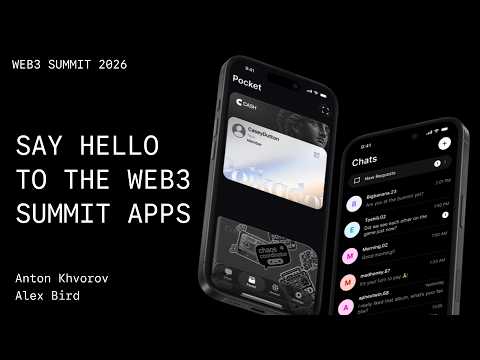
summary
Polkadot mobile, web and desktop apps implement a private by default superapp: chat, media, voice/video calls and payments all use end-to-end encryption, no server logs or metadata, and peer-to-peer encrypted sync between devices. On-chain usernames replace raw addresses and each browsed app gets a derived account to prevent cross-site tracking. A weekly multiplayer verification called proof of personhood lets verified accounts get fee waivers; four live gesture games hand out up to 50 cash each (≈4,000 cash total) and 30 cash covers free lunch.
AI-written summary · about
chapters (13)
- 0:00Privacy beyond stereotypes
- 2:35Polkadot’s privacy-first apps
- 4:40Cost of today’s privacy gap
- 6:26Private communication with Polkadot
- 8:31Browsing with true privacy
- 10:15Agents securing browsing
- 12:31Flexible Polkadot interfaces
- 14:35Polkadot as a super app
- 16:24Solving blockchain fees
- 18:52Cross-platform sync and key storage
- 20:17Privacy for self-expression
- 21:44Progress and new internet vision
- 22:25Polkadot prizes and free lunch
related talks
 23mThe Users are Here with Privy
 29mAligned Apps: Software That Works For You
 29mCrypto Apps and Decentralized Social
 21mBuilding Apps With ATProto
 24mBuilding Seamless Onchain Apps
 08mMaking Blockchain Applications Available to Mainstream Users
 18mBringing Privacy-Preserving Cryptography to Mobile Apps
 40mBUILDING A DECENTRALIZED APP ON ANDROID