The Past, Present and Future of Programming Languages
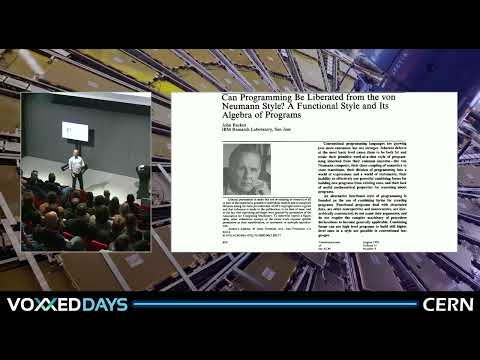
summary
Main claim: mainstream languages change slowly — the top five unchanged for six years across TIOBE/RedMonk/IEEE, with Python roughly ten times the use of many rivals and the top 10 covering ~70% of activity. Evidence: Stack Overflow traffic declines since 2021, gRPC and ecosystem support bias adoption, 27 popular languages traced by decade. Surprising specifics: Excel gains LAMBDA 2020 making spreadsheets a dominant functional platform, and modern LLMs generate and execute code to patch statistical errors rather than purely reason.
AI-written summary · about
chapters (14)
- 0:00Programming language history
- 1:05Programming languages today
- 7:05John Backus and Fortran
- 10:3420th century languages
- 14:51Legacy languages dominate
- 20:46Stack Overflow decline and AI
- 24:20Language creation patterns
- 26:47Algo 68 and structured programming
- 34:34Von Neumann bottleneck
- 36:19Excel as functional language
- 41:20Lisp and symbolic AI
- 43:49AI’s non-deterministic programming
- 47:23New programmers and old languages
- 50:11Escape Von Neumann style?
related talks
 50mThe Past, Present and Future of Programming Languages
 56mThe Past, Present & Future of Programming Languages
 01h 30mThe Past, Present and Future of Programming Languages
 01h 10mThe Past, Present and Future of Programming Languages
 38mWhither Programming Languages: Where Did They Go And Where Are They Going?
 57mWhy Programming Languages Matter
 52mProgramming Languages: Past, Present and Future
 01h 03mWhy the Next Five Years Will Be About Languages