The Open Platform Ecosystem

summary
GitHub states it stays an open platform after the pending Microsoft acquisition, pledges to work with Microsoft, Google and Amazon, and frames itself as the developer home and lifecycle platform. The product team refuses ads or gimmicks, uses community canaries to validate features, and defaults to open source where it accelerates adoption. Startups should open code that isn’t core IP, avoid contributing unless it’s good for the business, and expect more partnership announcements around the October 16–17 conference.
AI-written summary · about
chapters (11)
- 0:00Intro
- 1:45Can GitHub change
- 2:45How did GitHub come about
- 3:50How do you market to developers
- 6:50How does it all fit together
- 7:50What can startups learn
- 9:55The role of open source
- 12:05Uninteresting code
- 14:05Distraction
- 15:10Whats next
- 17:15Wrap up
related talks
 10mKeynote: From “Open Source” to “Development in the Open”
 44m7 Things you can Learn from Microsoft's Open Source Experience
 44mFrom the Cathedral to the Bizarre: Microsoft’s Open Source Journey
 13mKeynote: Building an Open Source Software Culture at Microsoft
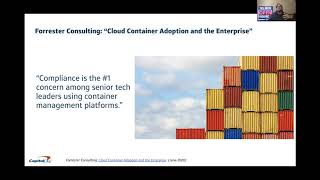 45mFostering an Open Environment for Developers in a Regulated Industry
 21mKeynote: Open Source & Cloud Application Platform: Our Learnings from a Developer-First Journey
 11mThe Future of Open Ecosystem Programs: Bridging Communities, Innovation, and Collaboration
 24mAnother Session on "Why Going Open Source?”