Make them think, make it fun

summary
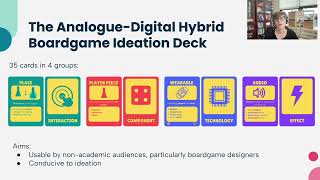
Research group shows games and tangibles boost reading and social skills: a 2011 reading-comprehension project tests 500 children and finds a statistically significant post-test improvement over controls. Prototypes use Arduino, Raspberry Pi, RGB color sensors and micro:bit auto-deploy to generate and run code from play cards. Board games guide middle-schoolers to build park-focused sensors; fidgetital artifacts and turn-taking devices teach conversation balance; preschool kits use cardboard plus open hardware exploration.
AI-written summary · about
chapters (10)
- 0:00Introduction and welcome
- 0:43From automated reasoning to playful learning
- 3:57Teaching turn-taking with tangibles
- 5:23Empowering students to create
- 7:11Reconnecting with nature through play
- 9:01Teaching teachers physical computing
- 10:26Smart artifacts for diverse needs
- 11:51Imaginative play for preschoolers
- 13:41Research and society collaboration
- 14:45Q&A and closing remarks
related talks
 46mProgramming Playgrounds
 23mPrinciples of Play
 45mPlaying with Engineering
 18mMaker' within Constraints: Exploratory Study of Young Learners using Arduino at a High School in ...
 24mThe hidden potential of learning in games
 59mJewelbots: How to Get More Girls Coding!
 42mProgramming Play
 08mHow Boardgame Players Imagine Interacting With Technology