AI Coding & Cybersecurity — Why AI coding tools aren’t ready for production yet

summary
Survey data shows 62% of engineers use AI assistants but many trust outputs without checks, and LLMs trained on GitHub repositories propagate real vulnerabilities. Evidence: GitHub security advisories roughly doubled after the release of Chibbt, and models routinely miss common flaws like SQL injection. Practical fixes that actually work: security‑aware prompts improve suggestions, add automated LLM security scanners to VS Code and run human reviews, and never connect assistants to production databases. Review time often doubles but prevents exploitable code.
AI-written summary · about
chapters (8)
- 0:00Introduction and background
- 1:10AI coding tools' security flaws
- 2:55Training data and vulnerabilities
- 4:00Legal frameworks and risks
- 4:44Safe AI coding practices
- 6:11Security tools and education
- 7:37Responsible AI tool usage
- 8:19Q&A and closing remarks
related talks
 48mAI Impact on Cybersecurity and Privacy
 01h 02mHow AI is impacting cybersecurity. Does it?
 33mShipping Fast, Breaking Silently: Why AI-Generated Code Needs a Second Opinion
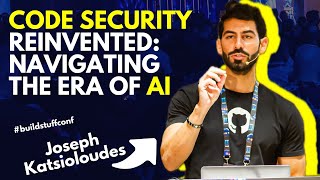 41mCode Security Reinvented Navigating the era of AI
 09mHow Much Trust Do You Have with LLM-Based Solutions?
 30mHuman vs AI: How to Ship Secure Code
 26mSmarter Code, Sneakier Risks: Supply Chain Security in the Age of AI
 38mCode Security Reinvented: Navigating the era of AI