Spearheading the future of programming
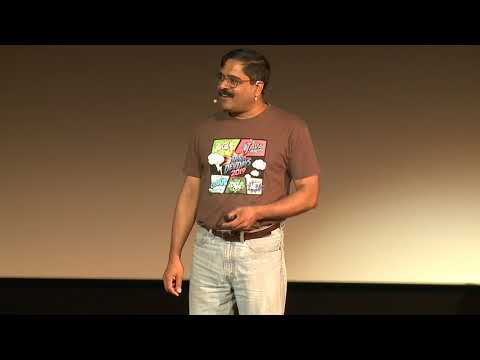
summary
Argues that paradigm shifts take decades and makes a concrete case that Java is about to move from heavy multithreading to asynchronous programming, showing JavaScript generators, Java 8 streams with lazy evaluation, Kotlin suspend/launch coroutines and Project Loom prototypes that combine continuations + fibers. Presents runnable-like code snippets, explains tuples/closures as continuations, cites a 3–5 year horizon for adoption and ties composability plus laziness to real performance benefits.
AI-written summary · about
chapters (13)
- 0:00Start
- 7:23How Are We Programming in the New Century
- 9:01Why Does Java Code Look So Much like C + +
- 10:08Object-Oriented Programming
- 12:32When Was Functional Programming Introduced
- 13:23When Did Functional Programming Become Mainstream
- 14:11Why Does It Take So Long for Things To Change
- 23:55Stateless Request Response Protocol
- 28:58Closure
- 31:00Project Loom
- 37:54Expressiveness of Languages
- 41:44Composability
- 56:16How Can We Prepare for the Future That Is Ahead of Us
related talks
 44mSpearheading The Future of Programming
 01h 01mMultithreading vs Asynchronous Programming: The Architectural Shift
 01h 02mProcedural Programming: It Never Went Away
 32mThe Evolution of Object-Oriented Programming
 01h 24mProcedural Programming: It’s Back? It Never Went Away
 52mParadigms Lost, Paradigms Regained: Programming with Objects and Functions and More
 46mModern Programming Language Abstractions for Cloud-Native Application Development
 55mThe modern view on implementation of classic design patterns in Java