Good Governance Practices for Healthy Open Source Projects

summary
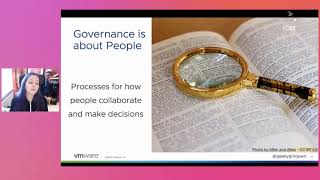
Argues that simple, explicit governance prevents confusion and churn by documenting mission, scope, values, roles and decision processes; recommends concrete artifacts such as Contributor Covenant for conduct, a security.md and contribution docs (CLA/DCO details), automated tooling like Dependabot, and a contributor ladder with clear promotion or election rules (Kubernetes-style elections or maintainer nominations). Notes tradeoffs of corporate control versus neutral foundations and cites projects like Harbor and Contour moved to CNCF as working examples.
AI-written summary · about
chapters (18)
- 0:00Introduction
- 0:45About me
- 1:15What is governance
- 2:14The focus of governance
- 6:14Setting expectations
- 6:49Mission statement
- 7:33Project scope
- 8:35Values and principles
- 9:24Roles and responsibilities
- 9:38Documentation
- 11:21Security
- 12:12Leadership
- 14:16Diversity Equity Inclusion
- 15:48Ownership and Control
- 17:02Open Source Foundations
- 18:20Contributing to Open Source Foundations
- 20:35Governance is never finished
- 21:16Governance needs to evolve
related talks
 38mOpen Source Governance for Software Engineers
 30mHow to Drive Consensus & Transparency in OpenSource Communities
 28mCollaborative Leadership: Governance Beyond Company Affiliation
 31mOperationalizing Open Source Projects: When the Rubber Meets the Road
 23mGrowing A Successful and Sustainable Project
 29mExperiences in Addressing Diversity, Equity, and Inclusion in Open Source Governance
 37mYou keep using that word Governance
 21mLeading and Growing an Open Source Comunity