Code Rot at Machine Speed: Preventing AI-Induced Technical Debt

summary
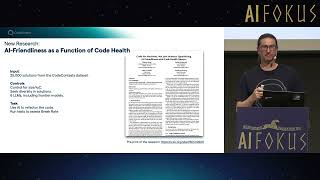
AI-generated code often arrives fast but fragile — a Copilot example adds ~20 lines in 40 seconds and shows deep nesting, missing exception handling and resource leaks. A measured approach uses a code health metric (green code yields ~10x faster changes and ~15x fewer defects), benchmarking on 5,000 Python files shows refactoring LLMs break code more when health is low (hallucination ~30%), and a deterministic MCP server plus IDE checks successfully gates and guides safer AI edits.
AI-written summary · about
chapters (8)
- 0:00AI-driven code rot
- 4:36Rebound effect in AI code
- 11:00AI code quality risks
- 17:37Code health for maintainability
- 25:25AI understanding human-readable code
- 31:44AI readiness and risk mitigation
- 33:28Future of AI-assisted coding
- 34:36Q&A on AI code health
related talks
 39mBack to Basics: Cutting Through the AI-Generated Code Noise
 33mAccelerate Code Quality in the AI Age
 49mClean Code in the AI era
 45mAgentic AI Coding Practices for Speed with Quality
 46mClean Code in AI era
 21mAI Code Quality Debt: What Strong Engineering Teams Do Differently
 51mAI-Assisted Coding: The Future; Between Challenges And Benefits
 46mCode Quality in the AI era, needed more than ever