Digital sovereignty Why open infrastructure matters

summary
Project SCS (surveying cloudsec), funded by Germany’s Ministry and hosted by the Open Source Business Alliance, defines four concrete layers of digital sovereignty: legal, freedom of choice, technical, competence. It asserts local GCP/Azure spin‑offs (T‑Systems, SAP arrangements) fail sovereignty because proprietary stacks block migration, contribution and transparency. Required tools are open standards, migration tools, visible code and shared operational knowledge; the group publishes a white paper, runs an open operations session and points to sds.community for the proposed fixes.
AI-written summary · about
chapters (7)
- 0:00Start
- 2:51Supreme authority within a territory
- 3:05The notion of territory does not need to be restricted to the landmass, but also resources lying on the territory such as human
- 6:23But even if I can choose between different offerings, how can I influence the future evolution of the software?
- 6:59But even if I can inspect, use, modify and share the software, how can I contribute to design decisions or upstream code?
- 8:45But even if I can participate in the community developing the software, how the heck am I supposed to operate this stack at scale?
- 17:35Let's demistify digital sovereignty and embrace open technology hosted by an open community with open operational knowledge!
related talks
 23mDigital sovereignty: Why open infrastructure matters
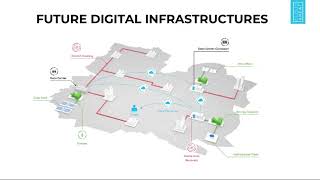 25mDigital Sovereignty - Why Open Infrastructure Matters
 37mDigital Sovereignty Driving Open Source in Germany and Europe
 40mSovereign by Design, Open by Default
 31mDigital sovereignty through open source – Europe's strategic opportunity
 53mOpen by Choice, Sovereign by Design
 11mDigital Sovereignty at Risk - Opportunities for Intervention
 40mDigital sovereignty - shaping regulatory responses to technological dominance