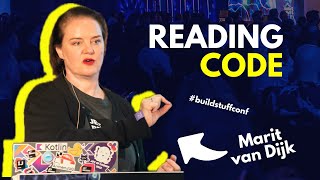
Reading other peoples code

summary
Starts by cloning the repo, putting it in git, building and running tests to get a debugger and logs, then uses grep for strings and set breakpoint on onclick handler to map UI text to code. Lists ten concrete tactics: follow input events, read MAIN/event loop top-to-bottom, prefer integration/system tests, use throwaway refactors to explore, runtime logging and profilers, add a tiny feature to learn call sites, and retell to a colleague. Cites scale: Chromium/Vivaldi ~600,000 files. Emphasizes psychological safety from Project Aristotle as key to onboarding.
AI-written summary · about
chapters (32)
- 0:00Intro
- 0:47About me
- 1:09Outline
- 1:57The most important slide
- 2:12Dont criticize
- 3:10Dont condemn
- 4:02Smile to them
- 4:47Implied criticism
- 5:37Reading other peoples code
- 7:03Reading code
- 7:25Big code bases
- 8:30Getting started
- 11:37Why
- 13:58How
- 14:53Ten techniques
- 15:27Graphing
- 18:28UI Framework
- 20:34Unit Tests
- 21:09Integration System Tests
- 23:02Refactor opinionated
- 24:17Read mein
- 24:34Reading menu
- 26:53Reading UI application
- 30:06Runtime investigation
- 36:28Class
- 37:46Rubber Duckies
- 41:38Mental Machine
- 43:06Project Aristotle
- 46:39Motivation Accountability
- 52:06Learning Mode
- 52:19Criticism
- 55:22Photos