Fascism and Faux-pen Source
summary
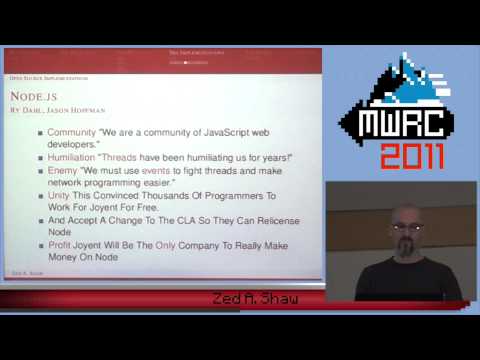
Argues that running a “faux-pen source” project means using fascist-style propaganda and community tactics—creating an imaginary outside enemy, organizing outrage and humiliate enemies to force unity, then extracting free labor and corporate deals. Gives concrete examples: a failed three-person Free Hackers Union, Node.js/companies turning community work into vendor profit, Rails enabling small teams to run multimillion-dollar businesses. Describes tools (press, contributor agreements, smear campaigns, backroom funding) and warns the regime collapses when insiders discover the payoff.
AI-written summary · about
chapters (12)
- 0:00The propaganda revolution
- 1:13The CHE-UP framework
- 2:13The CHE side external face
- 3:09Promises and Ponzi schemes
- 4:32Real world implementations
- 6:11Node.js case study
- 7:51Linux and Java examples
- 8:35Ruby on Rails analysis
- 10:09Choosing enemies wisely
- 11:33Protecting the Ponzi scheme
- 12:33Fighting the truth
- 13:25Final lessons and summary
related talks
 42mForging Strong Cyber Communities in Uncertain Times
 27mFOSS behind the scenes - the center stage is not enough
 46mDon't be an Idiot
 47mThe Hard Parts of Open Source
 15mWhy open source communities do(n’t) work (anymore)
 15mSeizing the means of communication — a plan for community-owned social media
 30mInnersource: open source collaboration patterns beyond public FOSS projects
 32mNavigating the gold rush: Of influencer economies and FOSS