Engineering an IP Portfolio
summary
Outlines a concrete engineer workflow: run quarterly invention mining meetings, file short invention disclosure forms (IDFs) when a technical hurdle is overcome, and keep a living patent inventory that drives what to prosecute. Gives timelines (typical prosecution ~4 years, expedited to ~8–12 months in rare cases), litigation routes (PTAB, federal courts, ITC), and how Alice limits software claims—focus claims on concrete technical improvements and have developers talk directly with examiners to get allowances.
AI-written summary · about
chapters (20)
- 0:00Intro
- 0:11ENGINEERING AN IP PORTFOLIO
- 1:05Themes & Takeaways
- 2:40Types of Intellectual Property
- 2:59Trademarks & Trade Dress
- 4:09Trade Secrets
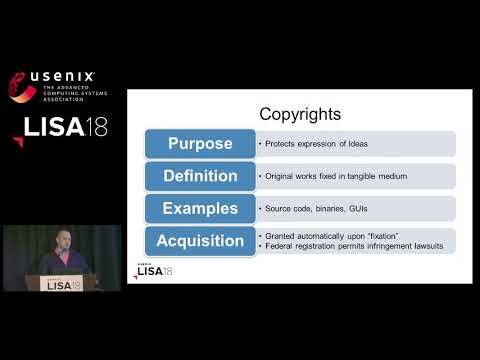
- 5:10Copyrights
- 7:42Patents
- 10:42Enforcement Mechanisms
- 15:45Parts of a Patent
- 18:57What is Patentable?
- 24:24Patent Prosecution Process
- 34:24Helping with Prosecution
- 36:10Patent Lifecycle
- 36:27Why Develop an IP Portfolio
- 37:41IP Portfolio Development Strategies
- 39:13How Engineers Can Help
- 39:32Helping: Developer Documentation
- 40:41Developer Pitfalls
- 43:27Patentability of Technology
related talks
 01h 01mMoonlighting in Sunlight
 54mLegal Issues in IOS Development
 45mGrowing Engineers with Weekly Investment Time
 55mAn Industry Veteran's Insight Into IP Licensing For Games
 31mThe Engineer’s Lifecycle
 46mBuilding Insanely Great Products
 17mCareer Advice for Privacy Engineers: From Resume to Interview to Finding the Next Job
 06mEngineering You