So You Can Code... Now What?
summary
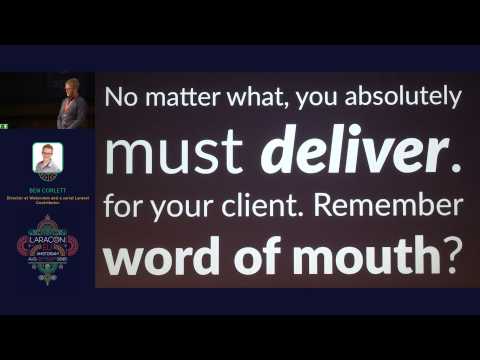
Prediction: 30–40% of the workforce goes self-employed, so prepare specifics: keep six months of savings, build an API-driven artist site (example: music-festival client) and integrate services like MailChimp, use the Killer Contract from GitHub, split work into two to three week sprints and milestone billing, price to cover unbillable hours, decide subcontractors vs employees, maintain copyright and short payment terms, and treat quoting as risk + complexity + time rather than a guess.
AI-written summary · about
chapters (18)
- 0:00Start
- 2:11Advice
- 4:55The workforce is changing
- 6:11I wanted to be a marine biologist
- 8:17Went for a swim on the Saturday
- 8:28My first dev job
- 10:01Before you take-off
- 11:50Get involved in your community
- 12:56My first client
- 15:22I went for a drive
- 15:41To a place called Cronulla
- 25:29Itemise and breakdown your quote into milestones
- 27:23My take on agile
- 29:49Why you might not get paid
- 30:30Protect yourself
- 33:57Building numbers
- 37:12Your hourly rate
- 38:50Controlling debtors
related talks
 48mTips and Tricks for Independent Contracting
 19mThree things to know before going Independent
 52mGoing Solo: A Blueprint for Working for Yourself
 36mFreelance Freedom without the Grind: Start & Grow Your Dev/Design Biz
 45mKill Your Inner Code Monkey
 36mMaking it as an Indie Developer
 24mChoose your own business adventure
 45mThe Small Fish in a Big Pond: Working with Large Clients