Live Coding Some (Microservice) Integration Problems

summary
Live coding shows two Spring Boot services (payment and credit card) wired via REST using RestTemplate, then hardened with a circuit breaker to stop thread exhaustion, and finally replaced by a BPMN workflow (Camunda style) that returns HTTP 202 Accepted and performs stateful retries until success. Demos include connector-based REST/Kafka adapters, handling retries into dead letter queues, and concrete advice to make calls idempotent to avoid duplicate charges. Code and runnable examples are on GitHub and the workflow approach works in the demo.
AI-written summary · about
chapters (17)
- 0:00Introduction and setup
- 1:08Flight check-in failure story
- 5:44Synchronous vs asynchronous design
- 12:05Live coding microservices demo
- 16:17Circuit breaker implementation
- 18:05Workflow engine for retries
- 21:45Best-effort synchronous responses
- 23:15Pro code vs low code integration
- 28:16Simple integrations and business needs
- 30:03Idempotency in distributed systems
- 32:11Handling network failures
- 35:45Embracing long-running processes
- 37:11Service boundaries and business logic
- 38:40Customer journey and messaging
- 40:27Kafka and event-driven risks
- 42:15Command vs event-driven integration
- 44:02Key patterns for integration problems
related talks
 40mDecoupling your Springboot microservices live coded using workflow automation
 46m3 Common Pitfalls in Microservice Integration
 33mAutomating Processes in Modern Architectures
 49mThe Benefits of Orchestration in Distributed Systems
 48mLost in transaction?
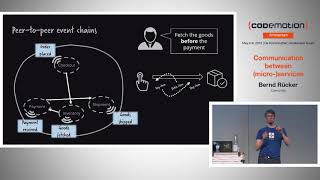 40mCommunication between (micro-)services
 58mGame of Streams
 44m3 common pitfalls in microservice integration and how to avoid them