AI's impact on software architecture

summary
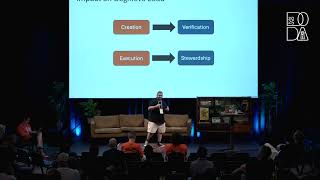
Claims that generated code equals solved architecture get a counter-argument grounded in thirty years of experience: LLMs produce runnable code but the intent-to-code chasm remains and simply shifts where errors surface. Examples include a Siemens-style analysis layer built on an LLM and agent harnesses that return I don’t know or confidence scores; these reduce but do not eliminate hallucinations as an architectural problem. Critical thinking and human-in-the-loop decision gates determine whether generated designs actually work.
AI-written summary · about
chapters (7)
- 0:00Introduction and welcome
- 0:56AI impact on software
- 3:23Communication in architecture
- 8:08Human oversight necessity
- 13:10Mitigating AI limitations
- 16:45AI progress and skepticism
- 19:13Ethical and practical concerns
related talks
 14mSAG Expert Interview #03: Impact of AI in Software Architecture
 59mIt AI n't What You Think!
 30mUsing AI to Create Better Requirements and Designs
 35mRewilding Software Engineering - AI, Tools and Human Decisions
 45mThe AI Software Architect: Revolution or Illusion?
 09mLessons Learned in AI Engineering
 27mThe sociotechnical debt of AI breaking Conway's Third Law
 17mArchitecture panel