Make Accessibility a Selling Point: Storefronts, Tags, and Discovery

summary
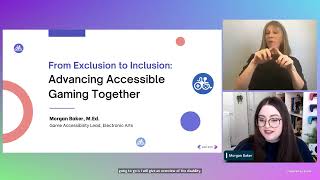
Stores and platforms differ: Xbox, PlayStation, Steam, and the iOS App Store require separate evidence for the same claim, and Xbox reports a >10% purchase rate from its accessibility discovery channel (Q3 2025) with ~10,000 validated tags via MGATS; Newzoo finds 31% of surveyed US/UK gamers report a disability (n≈4,000). Practical items include verifying subtitles and text size, using the Steamworks accessibility wizard or Apple’s nutrition labels, mapping features to AGI’s 24 tags, and keeping a build‑criteria‑test checklist.
AI-written summary · about
chapters (21)
- 0:00Introduction and speaker intro
- 1:56Speaker background and passion
- 4:26Common accessibility storefront issues
- 6:55Business case for accessibility
- 9:41Player engagement with accessibility features
- 11:25Features, labels, and outcomes explained
- 14:13Xbox accessibility tags overview
- 17:48PlayStation accessibility tags
- 18:53Steam accessibility features
- 20:58Apple accessibility nutrition labels
- 25:38Accessible Games Initiative explained
- 30:12AGI tags limitations and detailed pages
- 32:02AGI tag categories overview
- 35:17Production workflow for claims
- 37:25Default design as accessibility support
- 38:47Specific storefront claim examples
- 40:12Ubisoft’s accessibility spotlight model
- 43:04Suggested approach for teams
- 44:09Ownership model and QA process
- 46:37Rebind Studios services
- 48:24Q&A session begins
related talks
 51mLevelling the Playing Field: Enhancing Gaming for People with...
 33mAccessibility needs to be the future of better technology
 20mHow to make your mobile games more accessible to people with disabilities
 50mAccessibility Panel
 44mCrafting Great Accessible Experiences
 31mAccessibility for the App You're About to Ship
 49mFrom Exclusion to Inclusion Advancing Accessible Gaming Together
 51mChanging Tides: 2015's Games Industry Accessibility Advancements