Embracing Plain Language for Better Accessibility

summary
Clear, measurable advice: aim for an average sentence length of about 20 words and a Flesch–Kincaid grade of less than 9 (WCAG 3.1.5), check with readabilityscore.com, and avoid Word’s built‑in FK because it caps at 12. Swap multisyllable corporate words for simples ones — “prior to” → “before”, “in order to” → “to”, “however” at start → “but” — and use contractions to cut syllables. Plain language reduces cognitive load and helps translation; links and a plain‑words list are at bitly/plain_a11y and bitly/plain_words.
AI-written summary · about
chapters (12)
- 0:00Start
- 2:50How Plain Language Can Improve Our Accessibility
- 4:10Sentence Length and Syllables
- 5:12The More Complex Material the Shorter the Sentences Should Be
- 6:59Readability Formulas
- 7:58Syllables Are the Building Blocks of Words
- 19:52Contractions
- 25:44Check Your Readability
- 30:17Readability Score
- 31:23Recap
- 37:33Will Plain Language Really Make a Difference in Translation
- 44:32Have You Seen any Testing on the Readability of Text with Contractions for the Deaf Community
related talks
 44mUnlearning how to write
 51mReadability & Web: Let's build great inclusive projects
 30mHow to Accessibility if You’re Mostly Back-End
 26mHow to Accessibility if You’re Mostly Back-End
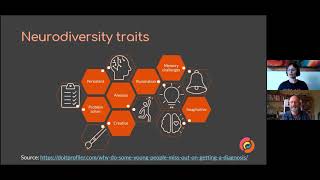 38mDesigning for people with cognitive impairments
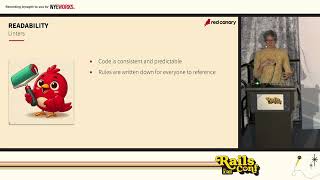 45mHow to Accessibility if You’re Mostly Back-End
 35mThe Sustainable Lightness of Language
 44mInclusive Content Strategy