Dynamic Non-Events

summary
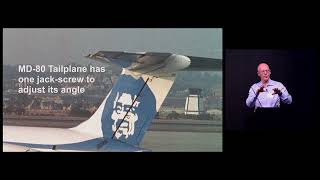
Argues safety is the active creation of dynamic non‑events, gives the concrete failure chain behind Alaska Airlines Flight 261: a single jack‑screw thread wore through after lubrication intervals drifted, summarized as jack‑screw thread wear, and shows how a culture that suppresses small incidents raises catastrophic risk despite 95 million hours of non-events. Covers operational practices — maintenance, inspections, blameless learning, chaos engineering — and cites Netflix’s ability to evacuate a cloud region in six minutes as proof these methods work.
AI-written summary · about
chapters (21)
- 0:00Introduction
- 2:30Worker and Safety
- 7:08The North Pole
- 10:08Failure to Predict
- 18:08The Problem
- 21:08What Went Wrong
- 22:38Principles
- 23:48The Crash
- 25:53Lubrication
- 26:43Deregulation
- 29:08Maintenance
- 32:38Reporting Learning
- 33:53Fire drills
- 34:58Standard processes
- 35:38Safety
- 37:03Things that matter
- 38:58Regulations
- 40:48Kneejerk reactions
- 42:28Blameless postmortem
- 43:18F14 pilots
- 44:43Cloud infrastructure
related talks
 22mDynamic Non-Events
 16mEngineering Failure-Resilient Systems
 01h 01mFly the Enterprise: Applying Aviation Lessons to DevOps Teams
 30mPilot your Project: Avoiding Anti-Patterns While Handling Incidents and Planning
 41m‘Failure’ as Success: The Mindset, the Methods, and the Landmines
 37mIncidents are a new normal
 40mBuilding Resilience: How to Learn More from Incidents
 19mFireside Chat with Jason Yee