Defending the human network

summary
Argues that people become the weakest link because industry neglects psychology, cites sociological studies (Pygmalion, Leventhal) and a 400% rise in news stories, shows concrete tools and exercises: WebGoat from OWASP, a password‑reuse demo that drives 60% uptake inquiries after a 300‑person session, hands‑on Feynman technique practice, OSINT LinkedIn profiling and crafted spear‑phish examples, and an actionable “road map” framing that turns fear into a 1%→30% behavior change rather than just scaring people.
AI-written summary · about
chapters (15)
- 0:00Introduction
- 0:12Who is Jessica Barker
- 4:05What is cybersecurity
- 5:02The human side of cybersecurity
- 6:20Understanding peoples brains
- 9:20How we communicate
- 12:12The Pygmalion effect
- 14:47Why does this matter
- 15:03Everybody is different
- 15:57The Fineman technique
- 17:42Hack saturation
- 19:43The psychology of fear
- 23:48Summary
- 24:41Contact
- 24:57Questions
related talks
 33mInterview with
 01h 07mKeynote Presentation Blinded by “the weakest link” A New Perspective on Human Risk
 38mDo You Feel Secure?
 44mHumans as the Weakest Link
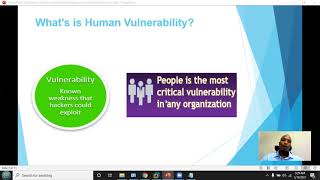 41mHuman Vulnerability Management and Assessment in the Age of Zero Trust
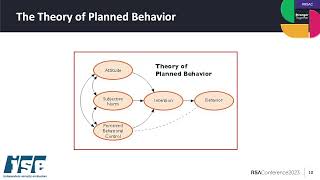 35mProtecting the Organization: The Psychology of Social Engineering
 28mSecurity Through Design - Making Security Better By Designing for People
 01h 03mWhy Don't Users Do What They are Supposed to Do? A look at users and security