Building high performing teams
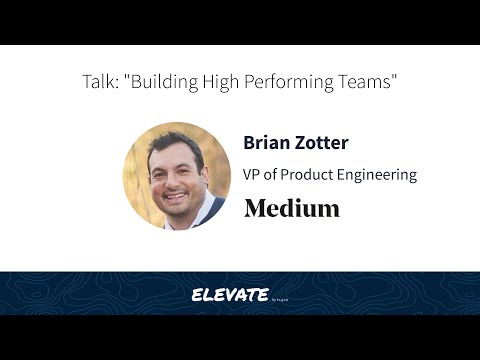
summary
Defines high performance as maximize long-term sustainable velocity — measure manager output as team output — and makes managers accountable. Uses concrete principles: written team definition, RACI model, three team roles (product owner, scrum master, engineer manager), autonomy, and visible progress every sprint. Shares concrete examples: recovered 99.9% of a dropped 100M-row table, paid $200k to Rackspace to ship nine months earlier, and an Open Opportunity marketplace where about 5% of engineers move teams every cycle. Conducts retros with action items.
AI-written summary · about
chapters (10)
- 0:00ELEVATE 1-Day Summit for Engineering & Product Leaders
- 1:27Maximize long term sustainable velocity
- 2:16Engineering Manager is accountable for the output of the team(s)
- 2:37Use principles
- 3:25"80% of success is determined by EQ" -BS
- 6:05Create and publish your Principles
- 6:25Teams should have a clear mission and objectives
- 7:32A team is empowered by the organization to organize and manage their own work
- 9:58Strive for visible progress every sprint
- 11:27Conduct retrospectives with the goal of getting better next time.
related talks
 28mBuilding High Performance Engineering Teams
 44mFundamentals & Practices for getting a High-Performance Team
 49mBuilding a High-Performance Team is Everyone's Job
 51mBuilding a High-Performance Team is Everyone's Job
 11mEngage teams to achieve high performance
 29mThe four components of high performing teams
 44mAgile Manager: Creating and Maintaining a High‑Performing Team
 39mThe Key To High-Performing Teams Based On Trust