Model-View-Intent for
summary
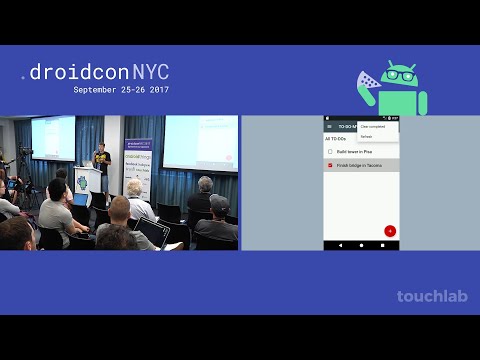
Explains how MVI on Android uses Kotlin and RxJava to build a working to‑do screen: user intents as sealed classes map to actions, processors use Observable transformers (publish/merge) to call repositories, and a scan reducer caches latest view state so UI can render a single source of truth. Uses ViewModel‑held proxy Subjects to keep streams and ongoing network work alive across rotations, supports Espresso/JVM tests of reducers and processors, and warns of boilerplate and tricky navigation decisions.
AI-written summary · about
chapters (8)
- 0:00Introduction to MVI
- 3:22Demo app setup
- 11:30Intent to action translation
- 18:13Unidirectional data flow
- 20:21Handling configuration changes
- 27:24Testing with MVI
- 30:17Pros and cons of MVI
- 32:01Summary and Q&A
related talks
 41mMVI: a Robust and Modern Architecture
 18mMVI made for Android
 42mHands on MvRx: Building Real Apps
 30mArchitecting an app with MVP and ViewModels
 39mSimple MVI: A LiveData Based MVI Approach
 58mHow to cook a well-done MVI for Android
 36mFunctional MVVM using RxJava and Android Data Binding
 35mBuilding better Android apps with MVP