Functional Feature Flags

summary
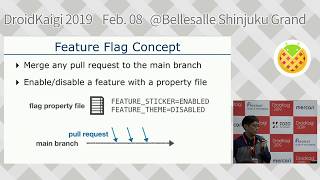
Functional feature flags replace long-lived branches by making configuration a reactive value in the repository layer so the app switches behavior at runtime. Implementation uses Kotlin Flows, a PreferenceFragment admin UI for QA, persisted local prefs plus cloud config for device capabilities, and simple data classes so deleting flag fields lets the compiler find dead uses. It reports fewer painful merges, requires testing many combinations, and still forces UI duplication when designs differ significantly.
AI-written summary · about
chapters (6)
- 0:00Welcome and conference recap
- 10:39Feature flags introduction
- 22:00Technical implementation
- 30:18Pros, cons, and takeaways
- 37:20Question and answer session
- 47:51Closing remarks
related talks
 27mFlag Management Techniques That Support Development of Massive Apps
 41mFeature Flags: Separate Deployment from Feature Release
 27mJust Enough Feature Flagging
 33mManaging Feature Flags Efficiently
 28mLazy Brilliance
 51mFeature Flip to Achieve Flow
 44mFlags of Flexibility - Unlocking Rapid Iteration
 08mFun with Feature Flags