Huawei Mobile Services Vs Google Play Services?

summary
Explains how to ship one APK for both ecosystems by either flavoring builds or using runtime detection and abstraction, demonstrating a refactor that swaps Google Maps for Huawei Map Kit when GMS is absent and a runtime Push Manager library on GitHub that chooses FCM or Huawei Push. Claims Firebase Crashlytics (v20+), Realtime/Firestore, Analytics and Google Mobile Ads run without GMS, while Firebase Messaging and Google Maps do not; cites Huawei ~15–20% share, ~200M devices/year and AppGallery ~500M users and shows working demos.
AI-written summary · about
chapters (26)
- 0:00Introduction
- 1:20Huawei ban
- 2:53Google Play Services
- 5:48Android without Play Services
- 8:08Huawei Mobile Services
- 9:24Should we remove Google and Firebase libraries
- 10:17What services can we still use
- 11:29Google Maps
- 16:24Use both
- 19:38Android Studio
- 22:12Refactoring
- 26:04Dependencies
- 26:57Main folder
- 28:37Google version
- 30:29Huawei version
- 31:34View model
- 32:46Map API key
- 33:10Create two flavors
- 33:26Create Android manifest
- 33:50Add afgconnect file
- 34:41Create two different layouts
- 36:06View binding
- 36:51Isolate abstract methods
- 38:19Create a specific map activity
- 39:27Google Maps vs Huawei Map Kit
- 41:37Synesthesia Push Manager Overview
related talks
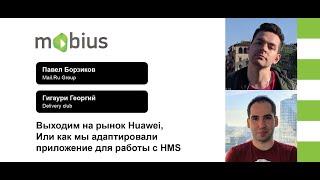 01h 14mEntering the Huawei market
 37mAndroid... without Google
 41mWhat's New in Google Play Services
 14mBuild powerful, reliable apps with Google Play services
 14mWhy you should be using Google Play Games services
 41mUniversal Pushes for Android: FCM, HMS and RuStore in One Place
 17mBuilding smart home apps with Google Home Mobile SDK
 23mIn-App Subscriptions for all Android devices