CRAC vs GraalVM

summary
Compares GraalVM native-image and CRaC (Coordinated Restore at Checkpoint) using Quarkus and Spring Boot demos, a prime-number initializer, and Maven builds with measured timings. GraalVM native-image builds a standalone Linux executable (about 5m48s in the demo) that gives faster startup and smaller footprint but requires reflection configuration, uses a serial GC and limits dynamic JIT optimizations. CRaC uses OpenJDK checkpoint/restore hooks (jcmd) to save a warmed JVM image and restart in milliseconds, preserving JIT work so HTTP requests are instantaneous after restore.
AI-written summary · about
chapters (12)
- 0:00Introduction
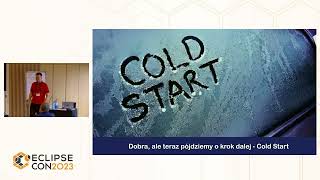
- 2:49JVM startup issues
- 6:56GraalVM overview
- 9:25GraalVM demo
- 13:12GraalVM constraints
- 16:02GraalVM optimizations
- 20:37CRaC overview
- 23:10CRaC operation
- 27:03CRaC demo
- 35:15CRaC use cases
- 41:36CRaC with Spring Boot
- 45:09Summary
related talks
 51mJava on CRaC Superfast JVM Application Startup
 53mJava on CRaC: Superfast JVM Application Startup
 53mWhat the CRaC Superfast JVM startup
 26mGoing Serverless With Spring’s Support for GraalVM, Project CraC & More
 40mKotlin on CRaC – new JVM features to speed things up
 41mGraalVM, CRaC, Leyden and friends - in search of TRULY cloud-native Java
 46mGraalVM, CRaC, Leyden and friends - in search of TRULY...
 52mDuke on CRaC with Jakarta EE