Using Byte Code Analysis to Modernize Your Java EE Applications

summary
A command-line bytecode-level scanner opens EAR/WAR/JAR files with ASM, inventories servlets/EJBs/JSPS, finds duplicate libraries (examples include two copies of Spring), and runs Java SE checks (Java 5→17) that codify the Oracle migration guide and flag deprecations and removals; reports output as HTML or JSON and integrate into Maven. A separate Eclipse Transformer rewrites javax→jakarta in binaries (demo converts JAX‑RS but leaves javax.naming because it’s Java SE), jdeps finds JDK-internal uses, and custom user-defined XML rules let teams detect patterns like SQL literals.
AI-written summary · about
chapters (8)
- 0:00Start
- 1:23Using bytecode Java analysis for modernization
- 5:48And analyze Java SE API differences
- 7:39And analyze Java EE differences
- 9:50How does the binary scanner crack the code?
- 11:43Use the Eclipse Transformer
- 13:13Java class dependency analyzer (jdeps)
- 14:22JAX-RPC Pre-Deployment Tool
related talks
 35mJava Source to Byte Code Transformation - The Hidden Story!
 53mWell there's your problem! Your engine's missing! A look under Java's hood
 59mTools & Tips to Modernize Your Java code with AI
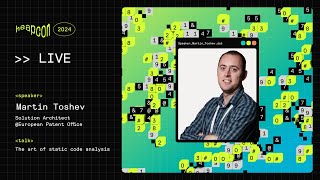 36mThe art of static code analysis
 57mDecoding Java: From Source Code to Bytecode
 55mLiving in the Matrix with Bytecode Manipulation
 39mBytecode Pattern Matching
 45mMaking Java more dynamic