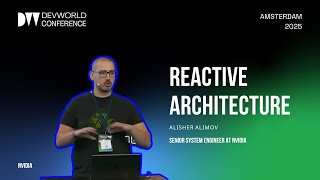
The Reactive Revolution

summary
Argues that blocking I/O wastes threads and that reactive stacks let one node handle far more concurrent sockets; demonstrates Kotlin + Spring 5/reactor with R2DBC with Postgres, reactive repositories, WebFlux/WebClient, reactive transactions and Spring Security. Introduces RSocket bi-directional protocol for backpressure and long-lived streams and recommends using the BlockHound agent to catch blocking calls. Shows a demo writing and HTTP-serving reservations that works, but the RSocket client demo fails to connect in the live run.
AI-written summary · about
chapters (15)
- 0:00Start
- 0:23Git Repository
- 9:12Reactive Streams Specification
- 10:16Spring Framework
- 11:40Packaging
- 13:20How Hard Is It To Upgrade Java
- 14:09Dependencies
- 17:17Create a Reactive Repository
- 23:56How Do I Build a an Http Service
- 25:01Reactive Transaction Manager
- 33:23Build a Simple Authentication Database
- 34:11Http Authorization
- 37:31Block Count
- 41:03The Spring Boot Actuator
- 44:52Build a Client