Securing Containers by Breaking In

summary
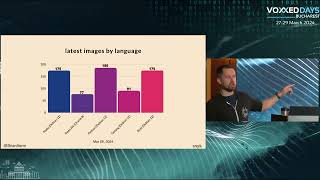
Live hacks show real outcomes: outdated binaries lead to code execution (an ImageMagick RCE breaks out to run scripts and spawn a shell via netcat), Spring Data REST deserialization enables remote command execution, and multi‑stage builds remove build‑time secrets. Tooling demonstrated includes Snyk CLI for scanning/monitoring, hadolint for Dockerfile linting, and rebuilding images (with 20% fixed by rebuilds and 44% fixed by switching base image) actually reduces vulnerabilities. Practical fixes succeed during the demo.
AI-written summary · about
chapters (10)
- 0:00Container security basics
- 2:24Minimal base images matter
- 6:55Least privilege principle
- 9:45OS vulnerabilities: find and fix
- 15:18Container break-in risks
- 23:13Dockerfile linters for security
- 24:15Securing app dependencies
- 31:23Multi-stage builds benefits
- 34:54Recap and best practices
- 36:18Q&A
related talks
 47mSecuring Containers By Breaking In
 40mSecuring Containers by Breaking in
 35mSecuring Containers by Breaking In
 57mWhat vulnerabilities? Live hacking of containers and orchestrators
 41mLive Hacking: Breaking into Your Web App
 52mSecuring Your Java Containers by Breaking In
 47mLive Hacking: Breaking into Your Web App
 46mLive hacking: Breaking into your Java web app