Secure by Design: Usable Security Tooling
summary
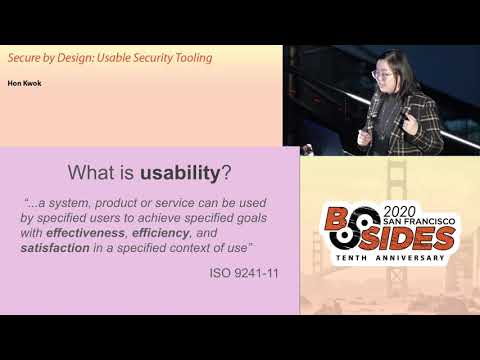
Rewrote the entire frontend for an internal scanning tool, adding deep linking, a conventional navigation bar, a dark theme, and denser tables that increase visible rows from about two per viewport to many, plus hoverable human-friendly timestamps. Adoption improves as engineers self-serve fixes instead of routing everything through ops. Evaluation uses surveys, interviews and a heuristics inspection (Nielsen heuristics) and leverages an existing Cruise UI kit and design system so security UI follows familiar patterns and actually gets used.
AI-written summary · about
chapters (11)
- 0:00Introduction and background
- 1:05Problem with security tool UI
- 3:16Usability issues in security tools
- 6:56Redesign and improvements
- 8:03Impact on engineering collaboration
- 9:32Defining usability in security
- 10:38API vs. human-centered design
- 12:08Actionable steps for usability
- 13:13User research and heuristics
- 15:02Secure by design philosophy
- 16:08Closing and Q&A
related talks
 28mBeyond Code and Clicks: UX Insights to Security Software
 29mSecurity by(e) Design?
 28mSecurity Through Design - Making Security Better By Designing for People
 43mDeveloper Driven Security In High-Growth Environments
 24mBeing secure by design: Engineer-led security
 38mDesign Approaches for Security Automation
 40mMaking Security an integrated part of the SW Dev Lifecycle
 47mTransforming Security Through Design