From Zero Knowledge to Private Transactions
summary
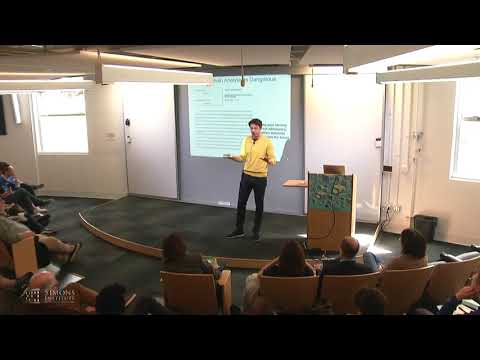
Claims a practical, ledger-based private payment system (ZeroCash) that hides sender, receiver and amount while still letting anyone verify correctness and prevent double-spends. It uses zero-knowledge proofs over coin commitments whose serial numbers are derived from a secret key, and indexes history with Merkle-tree inclusion/exclusion to keep proofs small. Transactions prove value preservation, minting and spending rules, verify quickly (seconds) and remain unlinkable in practice.
AI-written summary · about
chapters (17)
- 0:00Intro
- 1:17Motivating Example: Transactions in Bitcoin
- 2:08Payment History Reveals Lots of Info
- 3:50Those are just addresses.
- 5:27Isnt Deanonymization Good?
- 6:29Blockchain Analysis is Dangerous
- 10:51Mitigations
- 15:02I privacy is so important why isn't Bitcoin private?
- 19:31The Basic Intuition
- 21:14A Little Beyond Intuition
- 28:54template
- 29:27plain serial numbers
- 31:04committed serial numbers
- 35:05Attempt #3: ZKPok of commitment
- 36:55variable denomination
- 37:47payment addresses
- 39:49direct payments
related talks
 26mHow zero-knowledge proofs can be used to balance privacy and compliance
 33mAn Introduction to Zero Knowledge Proofs
 14mWhat are zero-knowledge proofs? And why do they matter beyond crypto?
 22mHow Zero Knowledge Proofs Change the Narrative Around Privacy
 28mZero Knowledge Proofs and Their Future Applications
 32mSoK: Private Programmability on Blockchain Systems
 01h 05mExplaining the Security of Zcash
 48mSoK: Programmable Privacy