An Introduction to Zero Knowledge Proofs
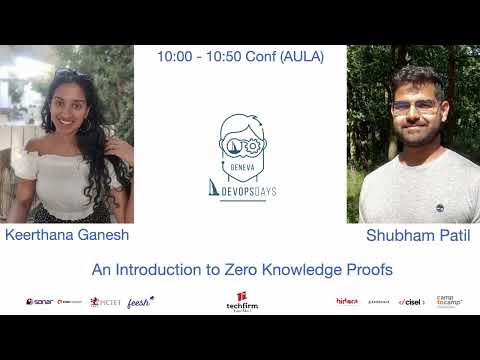
summary
Explains how zero‑knowledge proofs turn classic examples (Ali Baba cave, colored balls, Sudoku) into concrete protocols using secure commit space and commitment hashes, quantifies confidence growth (50% → 87.5% → 99% as repetitions increase), and contrasts interactive proofs with SNARKs with trusted setup and zk‑rollups. Names real deployments: MPC auctions in Denmark that successfully computed winners without revealing bids, a Cadet‑style private computation platform, and the Solana trusted‑setup machine destruction as a practical caveat.
AI-written summary · about
chapters (16)
- 0:00Welcome
- 1:54Password authentication flaws
- 3:39Interactive proof systems
- 6:08Zero knowledge proofs defined
- 8:34Alibaba cave example
- 11:01Interactive demo with volunteer
- 13:31Graph coloring puzzle
- 17:24Impossible graph coloring
- 19:10Sudoku zero knowledge proof
- 24:06Interactive vs non-interactive proofs
- 24:46Multi-party computation applications
- 26:11Danish sugar beet auction
- 27:12Healthcare data privacy
- 28:37Blockchain scalability
- 30:01Trusted setup limitations
- 31:47Challenges and future outlook
related talks
 33mEducational Challenges in the Ever-Evolving Space of Zero-Knowledge
 14mWhat are zero-knowledge proofs? And why do they matter beyond crypto?
 26mHow zero-knowledge proofs can be used to balance privacy and compliance
 28mZero Knowledge Proofs and Their Future Applications
 23mYour Game Will Suck Without Zero Knowledge Proofs
 53mProofs Without Evidence: Assurance on the Blockchain and Other Applications
 49mLattice-Based Zero Knowledge and Applications
 22mHow Zero Knowledge Proofs Change the Narrative Around Privacy