A practical guide to Distributed Systems Architecture

summary
Python examples are rewritten into a Langraph workflow that hardcodes three tool mocks for get_weather, get_flight_info and a calculate function so the demo avoids API failures while showing actual tool wiring, edges and an execution graph in Langraph Studio. The talk claims a planner + reflection loop boosts correctness (citing a jump from ~48% to ~95% in one study and 93% for a coder use case), provides a QR code to the repo, and shows human‑in‑the‑loop gating.
AI-written summary · about
chapters (17)
- 0:00Distributed agents intro
- 1:06Python to LangGraph
- 5:25Live agent workflow demo
- 14:27Tool stubbing FAQ
- 15:49LangGraph learning curve
- 16:30Planner agents intro
- 20:25Deep research use case
- 23:12Planner vs react agents
- 24:58Reflection agents for accuracy
- 28:13Supervisor agents orchestration
- 31:24Deep research systems
- 33:54Supervisor agent roles
- 34:57Human-in-the-loop stages
- 36:43Reflection vs reinforcement learning
- 39:11Agent segregation in libraries
- 41:19MCP and A2A for tools
- 41:59Call to action
related talks
 24mDurable Agents: long running AI workflows in a flakey world
 19mBuilding a Python Web Service with Ray
 16mSpatial Programming for Environmental Monitoring
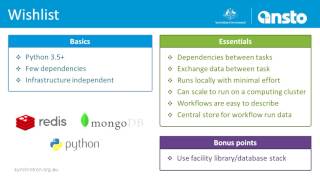 30mLightflow - A lightweight, distributed workflow system
 01h 13mDesigning distributed systems with TLA+
 44mDistributed journey
 42mHow to build distributed systems in JavaScript
 01h 00mDataflow Engines for Executing Cloud Applications: a Maslow's Hammer?