High Performa

summary
Google explains practical wins: use HTTP chunking to send the static chrome first and overlap a 250 ms backend search, cutting perceived latency by about 10% on typical links; minimize connections with sprites and bundled, gzipped, minified JS; cache images/JS to a 90% cache hit rate; defer nonessential script loading; and implement a fragment/iframe-based client that recycles the static chrome (called soft transitions), shaving up to ~500 ms on slow links and reducing HTML payloads to 4–10 KB.
AI-written summary · about
chapters (11)
- 0:00Start
- 7:21How chunking works...
- 8:33When is chunking applicable?
- 11:03Cost of a Connection
- 12:15Reduce Image Requests with Sprites
- 16:06Loading the Javascript
- 18:58Caching and Result Pages
- 21:05Sample Result Page Breakdown
- 22:23Challenge
- 22:43Constraints
- 32:01Just the first step...
related talks
 39mWhat’s new in performance?
 36mHacking Web Performance
 29mHigh Performance in the Critical Rendering Path
 41mHigh Performance Kick-Ass Web Apps
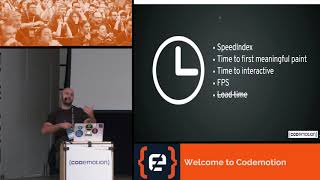 28mWhat we talk about when we say "web performances"
 01h 03mSpeed up your Web Application
 28mBetter than loading fast… is loading instantly
 22mSpeed at Google: What's New?