Selenium Grid

summary
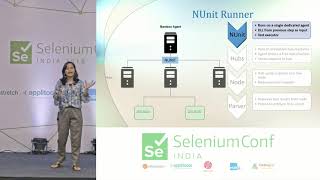
Gartner predicts Selenium as the de‑facto standard by 2020 and the talk contrasts running Selenium Grid in‑house versus cloud providers like BrowserStack and Sauce Labs, noting practical pain points: 30–90 seconds per test means heavy parallelism, in‑house setups often require 2–3 people full time for upkeep, cloud plans throttle capacity to about 8–10 parallel slots unless you pay enterprise prices, drivers and browser updates break tests, latency kills speed when browsers live far from the app under test, and a homegrown grid is maintainable but costly while managed options (selenium box) trade control for convenience.
AI-written summary · about
chapters (18)
- 0:00Introduction
- 2:50Company Introduction
- 4:00Company History
- 4:47Agile World
- 5:37Fast Feedback
- 6:23Test Automation
- 7:42Test Creation
- 8:22What is Selenium Grid
- 9:54Selenium Grid setup
- 15:39Things to consider
- 17:33Security
- 19:05Maintenance
- 21:18Scalability
- 24:28Performance
- 27:57Pricing
- 29:55Reporting Monitoring
- 31:43Target Applications
- 35:23Summary
related talks
 34mGood, Cheap, and Fast, Scaling Your Selenium Grid in the Cloud
 55mSelenium Committers Panel Talk
 17mParallel Execution of Auto-Tests with Selenium Grid
 09mTest Time Execution! Why it Can't be Ignored?
 44mZalenium: Use A Disposable And Flexible Selenium Grid Infrastructure
 37mSelenium In the Enterprise: What went right, what went wrong (so far)
 35mElevate your testing: testing smarter, not harder, in the cloud!
 36mRunning Automation tests twice as faster