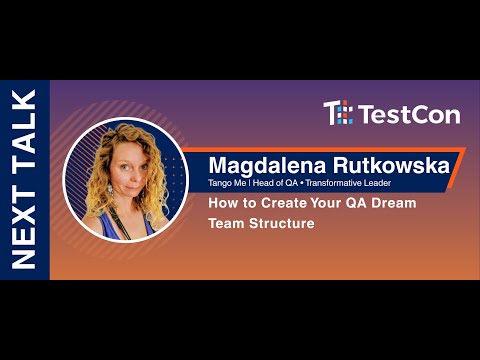
How to Create Your QA Dream Team Structure
summary
Compares seven QA structures and gives concrete tradeoffs so decisions hinge on context not buzzwords: pick structure based on maturity and size, product complexity, team distribution, regulatory needs and available talent. Reports hands‑on pros and cons for centralized, embedded, guild, matrix/mesh, hybrid, pods and consultants, including slower feedback and bottlenecks vs faster iteration but inconsistent practices, duplication and scaling pain. Mentions working with 200 people across Lisbon San Francisco Wuhan and real-world friction when structures flip daily.
AI-written summary · about
chapters (17)
- 0:00Building a QA dream team
- 0:47Key factors in QA structures
- 3:43Seven QA organizational models
- 4:05Centralized QA pros and cons
- 7:20Decentralized QA benefits
- 12:44Guild model balancing autonomy
- 16:20Matrix and hybrid QA structures
- 21:19Flexible hybrid model
- 25:15Pods model for ownership
- 31:01Independent specialist model
- 37:24Q&A on international teams
- 39:58Managing external QA providers
- 40:42Embedded QA fresh perspective
- 42:48Combining QA models
- 44:12Remote vs offline QA
- 45:16Knowledge sharing in matrix
- 46:19Closing remarks
related talks
 53mIs having a QA a symptom of a dysfunctional team?
 23mQA Dream Team or How to Build and Grow Your Own Team
 08m"How to Start a QA Department"
 36mWhy a Growing Company Needs a Growing QA Team
 31mAssembling Excellence: Crafting a Quality Assurance Team from the Ground Up
 45mIs there a place for QA in modern agile autonomous fast-flow teams?
 45mSame Old Story: Foundation of the QA Department. Tips and Tricks
 24mThe QA spectrum