An SRE guide to Linux Kernel upgrades

summary
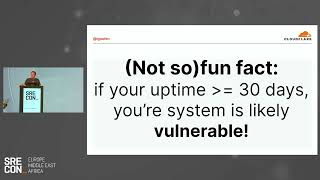
Argues that Linux kernel updates are safer and more urgent than they look and that delaying them increases risk faster than time saved, citing 68 weekly 5.15 stable releases with 36 having over 100 commits and some exceeding 600 commits. Shows a Cloudflare 5.4→5.10 test that frees 4.5 GB RAM per node, explains kernel patches usually require reboot and hit PCI DSS 30‑day windows, and describes an automated, batched reboot pipeline with drain, config management and acceptance tests that makes canary rollouts and metrics‑driven decisions practical.
AI-written summary · about
chapters (8)
- 0:00Introduction and speaker intro
- 1:05Why we fear kernel upgrades
- 3:57Risks of not upgrading kernel
- 9:23Common upgrade excuses and anti-patterns
- 14:23Why kernel upgrades are safer than you think
- 17:56Understanding kernel release process
- 23:19Safe and easy production upgrades
- 25:45Automation and human factors
related talks
 34mAn SRE Guide to Linux Kernel Upgrades
 34mAn SRE Guide to Linux Kernel Upgrades
 53mAn engineer's guide to Linux Kernel upgrades
 45mAn engineer's guide to Linux Kernel upgrades
 35mKeeping the linux kernel secure across 10+ RHEL releases
 41mChallenges Around Long-Term Kernel Maintenance
 01h 06mWhat's up in the land of the Linux kernel
 25mLinux: Where Are We Going