Spy-oT: Understanding How Users Learn to Use Internet of Things Devices For Abusive...

summary
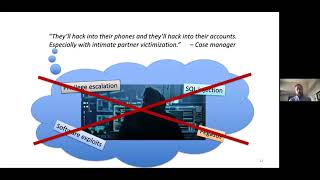
An in-person exploratory "abusability" study gives 25 participants two two-hour sessions with a Ring doorbell, baby monitor, smart speakers, smart lights, a smart lock and other appliances and asks them to discover abusive uses. Most participants explore app UIs and hardware, find non-technical attacks like forced sharing, alarms at 3 a.m., calendar tampering and surveillance, and rarely succeed at technical hacks (one NFC lock clone). Findings emphasize functionality-enabled adversary, common access control and logging weaknesses, and practical redesign trade-offs.
AI-written summary · about
chapters (8)
- 0:00Introduction
- 0:32IoT devices for domestic abuse
- 2:00Modeling abuse and threats
- 3:02Abusability study setup
- 4:08Examples of IoT abuse
- 7:56Learning abusive use
- 9:21Adversary functionality focus
- 10:04Conclusion
related talks
 20mYour Smart Home, Their Weapon: The Hidden World of Tech Abuse
 58mKeynote Address: Mitigating Technology Abuse in Intimate Partner Violence
 15mAbusability of Automation Apps in Intimate Partner Violence
 45mBuilding Trust with UX Design: Examples from IoT and Beyond
 39mDilemma in IoT Access Control: Revealing Novel Attacks and Design Challenges in Mobile-as-a-Gateway
 23mSmart Devices Gone Rogue: IOT Vulnerabilities and Designing For Security
 22m"I don't own the data": End User Perceptions of Smart Home Device Data
 25mHack My House! DIY home automation testing