Leveraging Blockchain for Test Data Integrity

summary
Claims concrete outcomes: 99.97% success rate in healthcare data integrity, 961% reduction in unauthorized access attempts, a reported 86.3% drop in finance data incidents and a ~45% faster pharmaceutical validation time. Implementation uses permissioned blockchains, cryptographic signatures, smart contracts, consensus mechanisms, side chains and zero‑knowledge proofs; pilots show instant verified records, huge audit time savings and phased API integrations with legacy systems though scalability and regulatory uncertainty remain unresolved.
AI-written summary · about
chapters (12)
- 0:00Introduction to Blockchain Technology
- 0:16The Rising Costs of Regulatory Compliance
- 1:10Core Features of Blockchain
- 1:53Blockchain in Healthcare
- 2:53Blockchain in Finance
- 3:59Blockchain in Pharmaceuticals
- 4:54Benefits of Blockchain Technology
- 6:11Challenges in Implementing Blockchain
- 7:45Immutable Audit Trails
- 9:03Future Applications of Blockchain
- 10:28Key Takeaways and Next Steps
- 11:41Conclusion and Acknowledgements
related talks
 15mSecure Distributed Healthcare Platforms
 10mBlockchain-Powered Incident Management
 16mImplementing Blockchain-Based Master Data Management
 19mSecure Distributed Healthcare Systems with 99.97% Availability
 18mBlockchain Technology at Change Healthcare
 28m🤔 What The Future of #Blockchain Testing Looks Like?
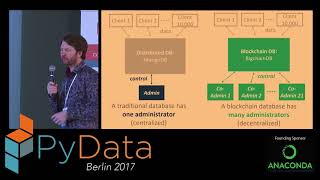 49mBlockchains for Artificial Intelligence
 17mIs Blockchain The Solution For The Digital Identity Hurdle?