Speaker Panel Q&A

summary
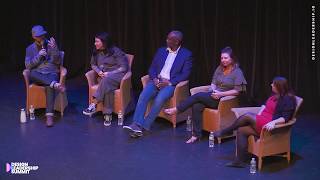
Panelists name concrete practices and tradeoffs: Uber shows a push toward coverage percentage and parity between Figma and code with base tracking, the multi‑brand path uses theming (Postmates into Uber) while one org supports 58 brands; contribution often means product teams as stakeholders not fulltime committers; metrics come as simple napkin math for hours saved; tooling examples include Ditto, Polaris and Material; content and motion accessibility remain unfinished problems and content work sits on many roadmaps.
AI-written summary · about
chapters (14)
- 0:00Introduction
- 1:55Panelist backgrounds
- 2:16Uber’s design monitoring progress
- 3:42Design system interview questions
- 5:26Sub-component trust structures
- 7:31Engaging teams in design systems
- 11:53Multi-brand system challenges
- 15:04Early design system ROI
- 18:34Accessibility and motion
- 21:06Promoting systems at agencies
- 23:56OS to brand mapping
- 25:42Content consistency management
- 28:54Incentivizing contributions
- 34:33Closing
related talks
 35mSpeaker Panel Q&A
- 35mSpeaker Panel Q&A
 43mPanel Discussion: Unraveling AI & Design
 01h 10mPanel Discussion
 38mPanel Discussion with Joshua Orr, Hongyi Li, and Crystal Widjaja
 34mShaping Vision at Uber
 01h 00mPanel Discussion: AI Meets Design: A Dialogue
 22mDesign Systems at Deliveroo: Learnings and Frustrations