Python Packaging from Init to Deploy
summary
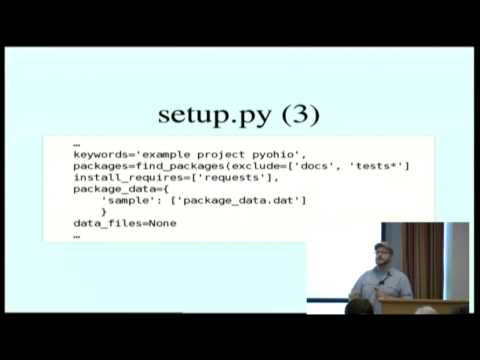
Argues that Python packaging is now practical and shows a working pipeline: use cookiecutter to generate the boilerplate, develop locally in a virtualenv with pip install -e, run tests across interpreters via tox and Travis CI, build a universal wheel (pure Python for 2 and 3), sign and publish with twine upload to PyPI, and automate versioning with versioneer. Eggs are deprecated, devpi mirrors private indices, and fpm helps produce RPMs; the example package builds, tests, CI-passes, and uploads successfully.
AI-written summary · about
chapters (6)
- 0:00Start
- 8:25Components
- 22:14Run cookiecutter
- 25:15Create github repo
- 26:30See builds succeeding!
- 31:14Versioneer
related talks
 02h 36mPython Packaging Demystified
 28mModern Python packaging without pain
 24mInside the Cheeseshop:How Python Packaging Works
 38mPython Packaging - one tool to pack them all
 01h 21mSecure Python Packaging & Release Using Continuous Deployment
 25mInside the Cheeseshop: How Python Packaging Works
 29mCan packaging improve Django deployments?
 24mShipping your first Python package and automating future publishing