Accessibility: Myths and Delusions
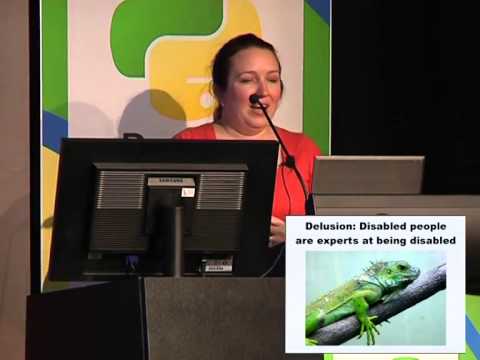
summary
Accessibility is not just for blind users it covers five groups and one in five Australians has a disability so many sites already serve disabled users. Concrete fixes include captions, semantic HTML that validates, and ARIA roles for dynamic widgets; mobile platforms ship usable screen readers. Testing costs fall with free tools like NVDA (free, written in Python) and built‑in VoiceOver; JAWS is expensive. WCAG 2.0 and small early design changes make sites pass 508 and actually work.
AI-written summary · about
chapters (22)
- 0:00Introduction
- 0:50Katie Cunningham
- 1:11Getting into the field of accessibility
- 3:17What is accessibility
- 4:06Myths
- 7:05Apple
- 10:30Disabled Users
- 12:03Multiple Disabilities
- 12:59Accessibility in the US
- 13:10Accessibility in other countries
- 15:06Can you afford it
- 15:50Checklists
- 17:26Accessibility
- 17:48Technology has solved this issue
- 19:29Flash is not accessible
- 21:07Disabled people are experts
- 21:20Storytime
- 24:51iOS and Android
- 26:58JAWS
- 30:14Ill never need it
- 35:48QA
- 39:11Level Up
related talks
 29mA11y: Myths and Misconceptions
 43mWhat is accessibility, and why I should care?
 37mAccessibility Matters: Creating a Better Web
 33mAccessibility needs to be the future of better technology
 51mIt's Spelled 'Accessibility', not 'Disability'
 41mAccessibility is a Requirement
 29mAccessibility Matters: Creating a Better Web
 05mAccessibility for everyone