Rust for the Python dev

summary
Many popular Python tools are now Ruff fast linter/formatter, pydantic v2 core in Rust, and data libraries like Polars that handle out‑of‑core frames; cryptography and tokenizers also move heavy work into Rust. Integration uses PyO3 and Maturin to build native wheels or embed runtimes; rustpython reproduces CPython but isn’t production ready. Claims are concrete: speedups, safer memory and concurrency, compile‑time checks; examples compile and run but require learning ownership, lifetimes and slower compile times.
AI-written summary · about
chapters (14)
- 0:00Intro
- 3:42Oxidization of the Python Ecosystem
- 7:44CPython / Rust Comparison
- 11:05PyO3 crate and Maturin package
- 13:29rustimport package and inline-python crate
- 16:15The different - concepts unique to Rust
- 19:19Garbage collector - Love/Hate Relationship
- 23:32RustPython - the new reference implementation?
- 24:49Crates for backend web development
- 27:13Crates for client / front end development
- 28:01ORMS and Database Access
- 28:33Crates for Data Science & ML
- 31:07Games Technology
- 32:43Foundational crates
related talks
 31mPumping up Python modules using Rust
 36mPumping up Python modules using Rust
 44mDo Pythons Rust? How we used PyO3 to build a Python Stream Processor w/ a Rust Heart
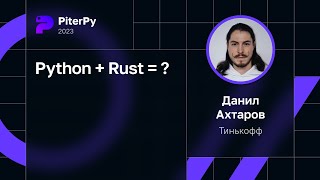 46mPython + Rust = ?
 31mCan Rust make Python shine?
 36mPolishing Python: Preventing Performance Corrosion with Rust
 01h 01mRust for Python Developers (english)
 27mWhy you, as a Python developer, should learn Rust