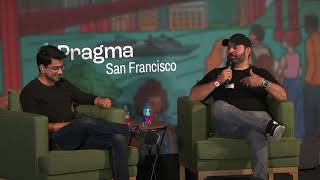
Fireside Chat with Andrej on Future of Dev Tools

summary
Explains how Tenderly builds a production-grade dev stack with Foundry and account abstraction, shows a simulator that can fork multiple mainnets and replay cross-chain flows through bridges, and describes an MCP that gives AI agents a sandboxed fork for AI agents to test workflows; claims the debugger can process 50MB per transaction of on-chain context, is used for Gnosis Safe transaction simulation and CI/CD staging, and aims to catch blind-signing and post-deploy operational risks before production.
AI-written summary · about
chapters (17)
- 0:00Introduction
- 0:10What Is Tenderly and Eight Years of Developer Tooling
- 1:43How Multi-Chain Development Has Changed Everything
- 4:09Cross-Chain Testing: Forking Multiple Mainnets
- 5:08The Modern Developer Stack vs 2018
- 6:45Production-Grade Development: CI/CD and Staging
- 8:17AI Skills and Delegating Ethereum Context
- 9:04Three Developer Personas: Newcomers, OGs, and Institutions
- 11:36Institutional Risk Aversion as the Main Bottleneck
- 12:40Managing Operational Risk Post-Deployment
- 14:16Transaction Simulation and Avoiding Blind Signing
- 15:12AI Agents and Smart Contract Development
- 16:02Sandboxed Fork Environments for AI Workflows
- 17:33Tenderly's MCP: Debugging and Testing for AI
- 18:40AI Processes 50MB of Transaction Data Better Than Humans
- 19:22Advice for New Smart Contract Developers
- 21:25Closing