Leak Detection System using Machine Learning Techniques
summary
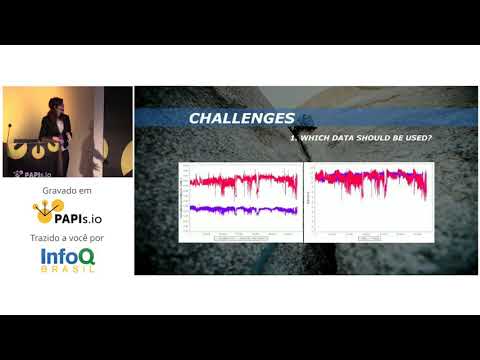
Pipeline leak detector uses a simple parametric linear regression (Bernoulli-based) plus a rule-based anomaly detection layer, trained on ~3 days of normal data and deployed reading pressure, density and flow into a SQL store and signaling alarms via OPC to PLCs. Prototype detects leaks down to ~30 m3/h but initially yields >15 false alarms/month; after a leakage simulation and retrain it settles at R²≈0.75, detects ≈70 m3/h reliably and produces 3–5 false alarms/month. SQL/OPC/PLC integration is proven on-site.
AI-written summary · about
chapters (8)
- 0:00Introduction and background
- 2:21Project motivation and challenge
- 5:17Pipeline system overview
- 7:11Model development approach
- 9:26Key challenges faced
- 12:20Validation and simulation test
- 16:16Project outcomes and conclusions
- 18:53Q&A session
related talks
 29mAI-Powered Anomaly Detection in Cloud Data Pipelines
 26mFrom Data to Decision: Monitoring and Improving Water Networks using AI/ML
 38mHot Water Leak Detection Using Variational Autoencoder Model
 25mMachine Learning: Too Smart for its Own Good
 25mData science and machine learning in wastewater intelligence 🌳
 28mDetect abnormal equipment behavior by analyzing sensor data
 29mThresholds Are for Old Threats: Demystifying AI and Machine Learning to Enhance SOC Detection
 39mPredicting failure & automating defect detection on utility assets